Rehabilitation & mobility
 Customised recovery plans
 Expert-guided physical therapy
 Mobility aids & support devices
 Compassionate, hands-on care

Most cats and dogs who undergo surgery, live with arthritis, experience weakness or muscle loss, and in their senior years can benefit from rehabilitation.
Rehabilitation is structured medical support (beyond stretches or simple rest) designed to improve how your pet moves each day. It focuses on reducing pain, rebuilding strength, and restoring comfortable mobility.
At Caring Paws, Dr Jess personally assesses your pet’s movement and designs the rehabilitation plan. She is a certified Canine Rehabilitation Therapist (CCRT), with advanced training in biomechanics, pain management, and recovery.

Your pet’s comfort declines as they age
Just like with Grandma Dottie, our pets too start slowing down with age. As movement becomes painful, cats and dogs naturally start moving less. Reduced activity leads to muscle loss, joint stiffness, weight changes, and further discomfort.
Animals can quickly head down a spiral of declining mobility and strength if left untreated.
Rehab interrupts this spiral by addressing pain, rebuilding muscle, and improving coordination. This supports long-term function rather than just managing symptoms. Our arthritis management plans and post-operative recovery care are built on the same approach.
While not every condition can be cured, many pets experience measurable improvements in comfort, strength, and daily mobility.
Owners bring stiff and recovering dogs in from the suburbs around the clinic; the Forest Hill page has the route down Springvale Road and what a rehabilitation visit involves.
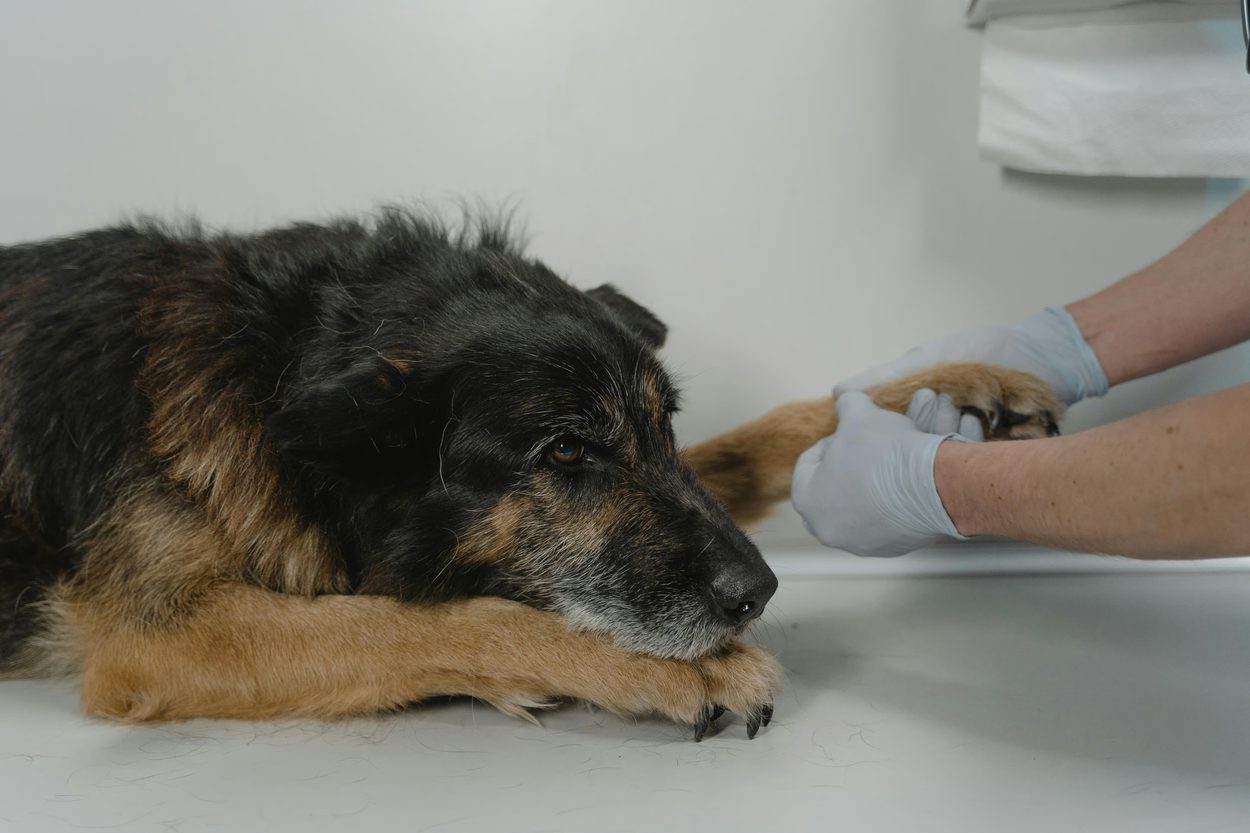
What a rehab appointment will look like for your pet
We evaluate your pet’s movement, joint range of motion, muscle mass, neurologic function, posture, balance, and overall comfort. We also review weight, nutrition, and lifestyle factors that may influence recovery.
From there, we create an individualised plan tailored to your pet’s condition and your goals.
- Assessment: Full movement evaluation and baseline findings
- Stabilisation: Reduce pain and inflammation so movement becomes comfortable
- Targeted therapy: Exercises and modalities specific to your pet’s condition
- Reassessment: Measure progress and adjust the plan
- Maintenance or progression: Short-term recovery or long-term mobility support, depending on your pet’s needs
Rehabilitation therapies we use
Laser Therapy
We use Class IV laser therapy to reduce inflammation and stimulate healing at a cellular level to improve comfort and mobility. Read more about laser therapy for arthritis and post-surgery pain.

PEMF therapy
Especially in chronic conditions, pulsed electromagnetic therapy supports circulation and helps reduce pain signals

Therapeutic Exercises
Targeted strengthening and balance work designed to stabilise joints and rebuild muscle support, delivered through our rehabilitation and conditioning programs.

Manual therapy & massage
Hands-on techniques to relieve tension, improve circulation, and support tissue recovery

If you’re noticing changes, it’s worth addressing them sooner rather than later

tips, and treats for your pet.