
Dog & Cat Orthopaedic Surgery
 Cruciate repairs, fracture management, and orthopaedic cases on-site
 Full diagnostic workup before any surgery is recommended
 Pain management from pre-op through to full recovery
 Referral services available if required.
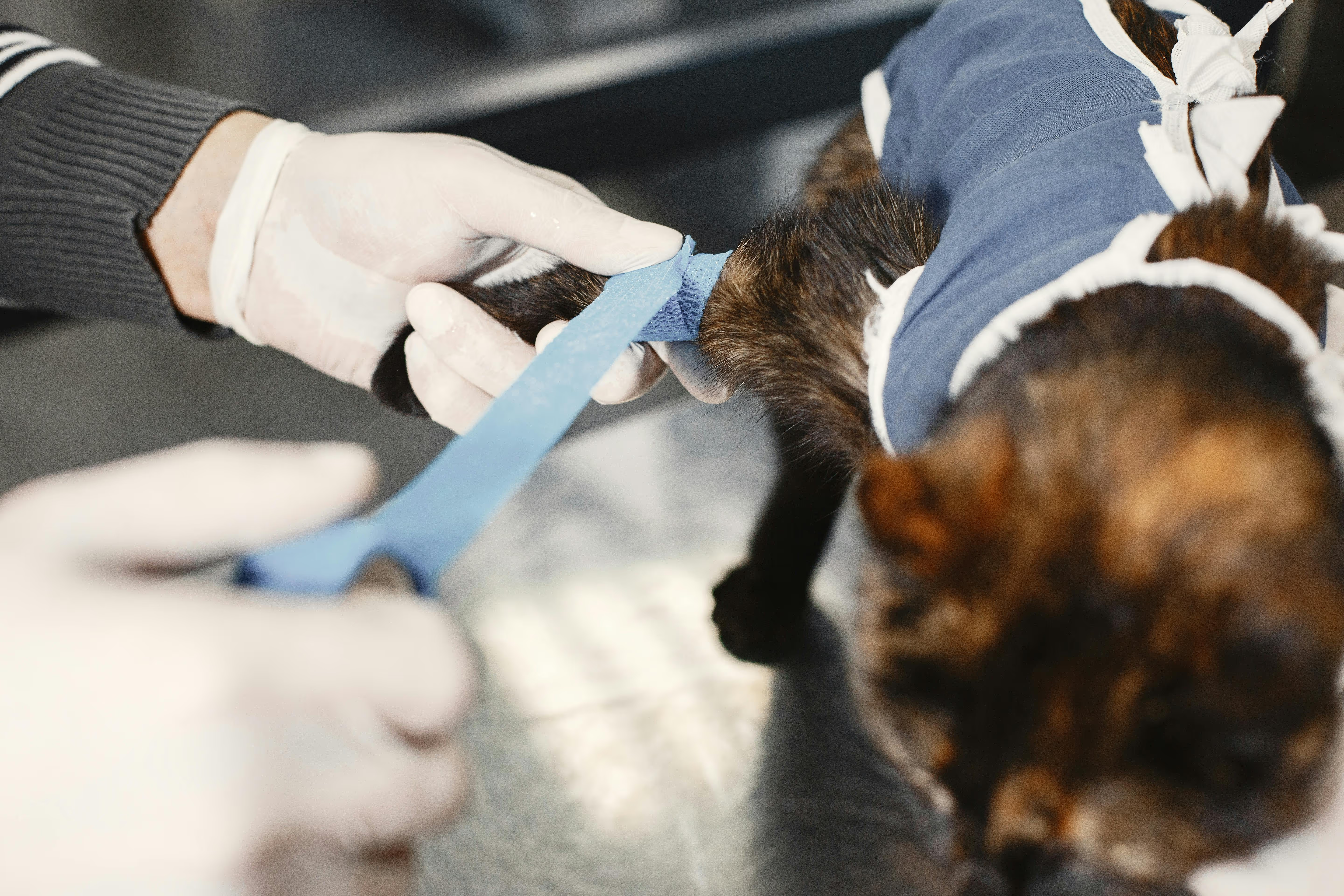
Watching your pet struggle to walk, bear weight, or get comfortable is distressing. Orthopaedic problems can seriously affect their quality of life, and these problems don't tend to resolve on their own. We assess what's going on thoroughly, explain the findings clearly, explain what the options are.
What we offer
Cruciate ligament repair
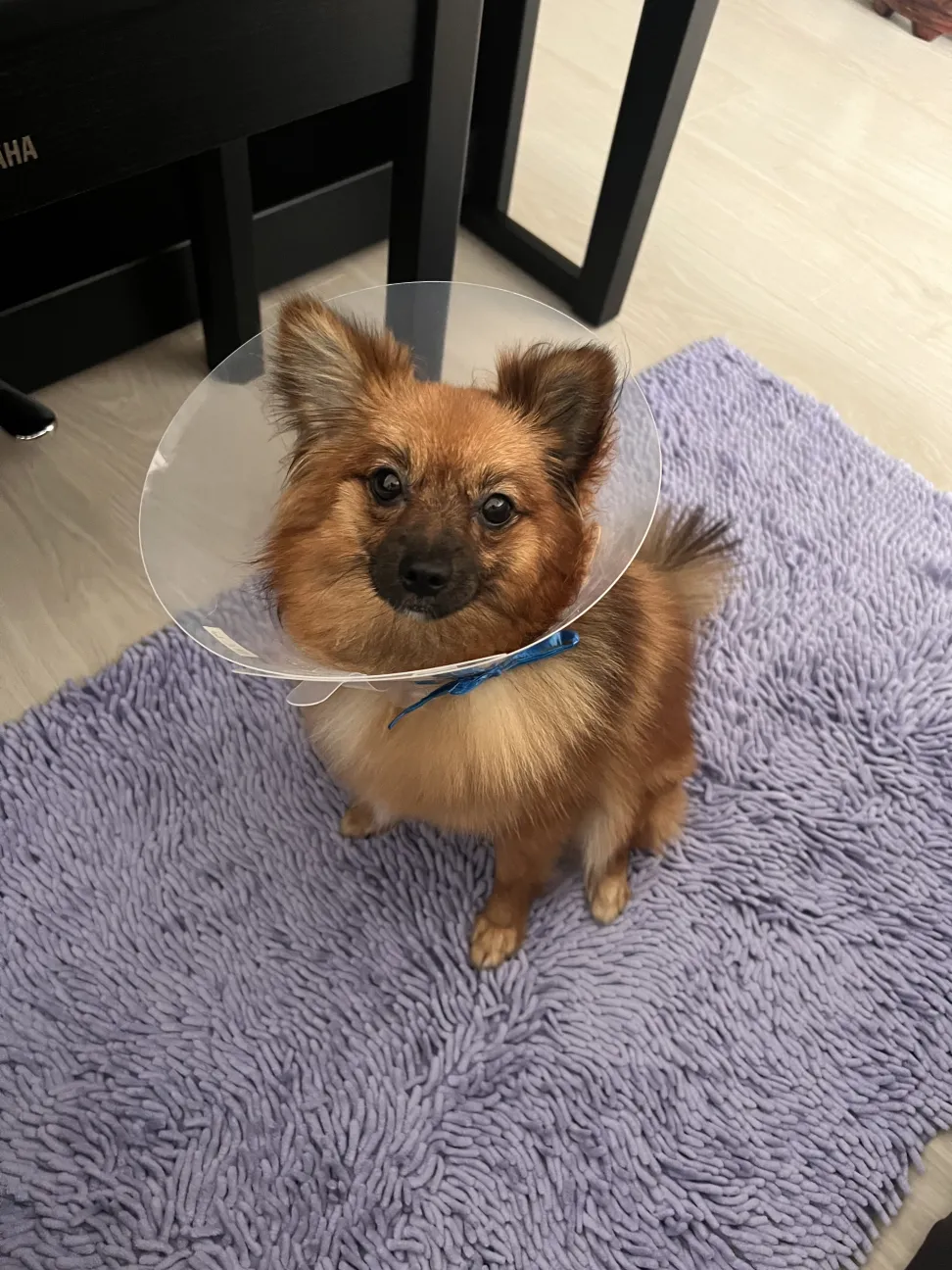
Cruciate injuries are one of the most common orthopaedic problems we see in dogs. A partial or complete tear causes ongoing instability, pain, and joint damage that gets worse over time without intervention. We assess the injury properly, discuss the surgical options, and manage the procedure and rehabilitation on-site.
Fracture management
Broken bones need prompt, careful attention. We'll assess the fracture, stabilise your pet, and determine the best approach — whether that's surgical repair or conservative management — based on the type of break, which bone is involved, and your pet's overall condition.
Luxating patella
A kneecap that slips out of place is painful and, in more severe cases, causes lasting joint damage. We assess the grade of the luxation and advise whether surgical correction is appropriate or whether monitoring is the better approach for now.
Why Caring Paws for orthopaedic surgery
Everything happens under one roof
We have a sterile surgical theatre, in-house X-ray and imaging, and full anaesthetic monitoring on-site. That means your pet doesn't need to travel to a specialist facility for most procedures, and the team caring for them already knows their history.
Your vet is your surgeon
If there's a non-surgical option that's genuinely appropriate, we'll tell you.
We won't recommend surgery unless it's the right call
Some orthopaedic conditions can be managed conservatively, at least initially. We'll give you the full picture: what surgery can and can't achieve, what the recovery involves, and what happens if we take a wait-and-see approach — so you can make a decision you're confident in.
What to expect
We know handing your pet over for surgery can be stressful. Here's how we make the process as clear and comfortable as possible.
Initial assessment
We examine your pet's gait, joint range of motion, pain response, and muscle condition. We'll ask about when the problem started, whether it came on suddenly or gradually, and how it's affecting them day to day.
Imaging and diagnostics
X-rays are usually needed to properly assess what's going on beneath the surface. We'll take them on-site, review the findings with you, and explain what we're seeing.
Surgery day
Your pet is admitted, settled, and monitored from the moment they arrive. We perform the procedure with full anaesthetic monitoring in place, and a nurse stays with your pet through recovery until they're stable and comfortable.
Recovery and rehabilitation
Orthopaedic recovery takes time and the post-operative period matters as much as the surgery itself. You'll leave with detailed instructions on activity restriction, wound care, and pain management. We'll schedule follow-up appointments to track healing and introduce rehabilitation as appropriate.
Is your pet moving in concerning ways?
Don't wait to see if it improves on its own. Book a visit and we'll assess what's going on and talk you through the options.