
Emergency Vet, Vermont South
Think this might be an emergency?
If your pet is struggling to breathe, has collapsed, is actively seizing, suspected poisoning, or is bleeding heavily, please call us so we can guide you, see your pet promptly, and help stabilise them before deciding on next steps.
Call 03 9968 7771 Walk-in available during business hours
 Afterhours service available - Call clinic anytime
When to come in call for Urgent Care
If your pet is vomiting, limping, not eating, suddenly uncomfortable, injured, or behaving differently than usual, don't wait.
Call us, follow the prompts and a vet nurse can help you work out what to do next. It's free, and you don't need to be an existing client.
Coming from Forest Hill, Vermont, Burwood East, Glen Waverley, Blackburn South or Wantirna? Each suburb page gives the route and the minutes to the door.
486 Burwood Hwy, Vermont South VIC 3133
Signs your Dog needs Urgent Care
- Vomiting repeatedly or unable to keep water down
- Diarrhoea that’s ongoing, bloody, or getting worse
- Sudden limping, stiffness, or reluctance to move
- A bloated or painful-looking abdomen
- Eating something they shouldn’t have (toys, bones, medication, food scraps)
- Unusually lethargic: quieter, not greeting you, not interested in food
- Persistent coughing or laboured breathing
- Signs of pain: pacing, restlessness, yelping, difficulty getting comfortable

Signs your Cat needs Urgent Care
- Not eating for more than 24 hours (even if they seem fine!)
- Straining in the litter tray or visiting frequently without producing urine
- Hiding more than usual or a sudden change in behaviour
- Rapid breathing or breathing with the mouth open
- Repeated vomiting
- Sudden weakness, wobbliness, or collapse
- A hunched posture or sensitivity when touched


What to expect when you come in to Urgent Care
1. Arrival and initial check
Triage will be carried out by either a vet nurse or vet followed by any key stabilisation steps under your consent to ensure your pet is looked after
f your pet appears unstable (for example, difficulty breathing, extreme pain, or collapse) we focus on that first.
2. History and discussion
We'll ask specific questions about what you’ve noticed: about symptoms, appetite changes, mobility changes, any recent diet changes, toxin exposure, or previous medical history.
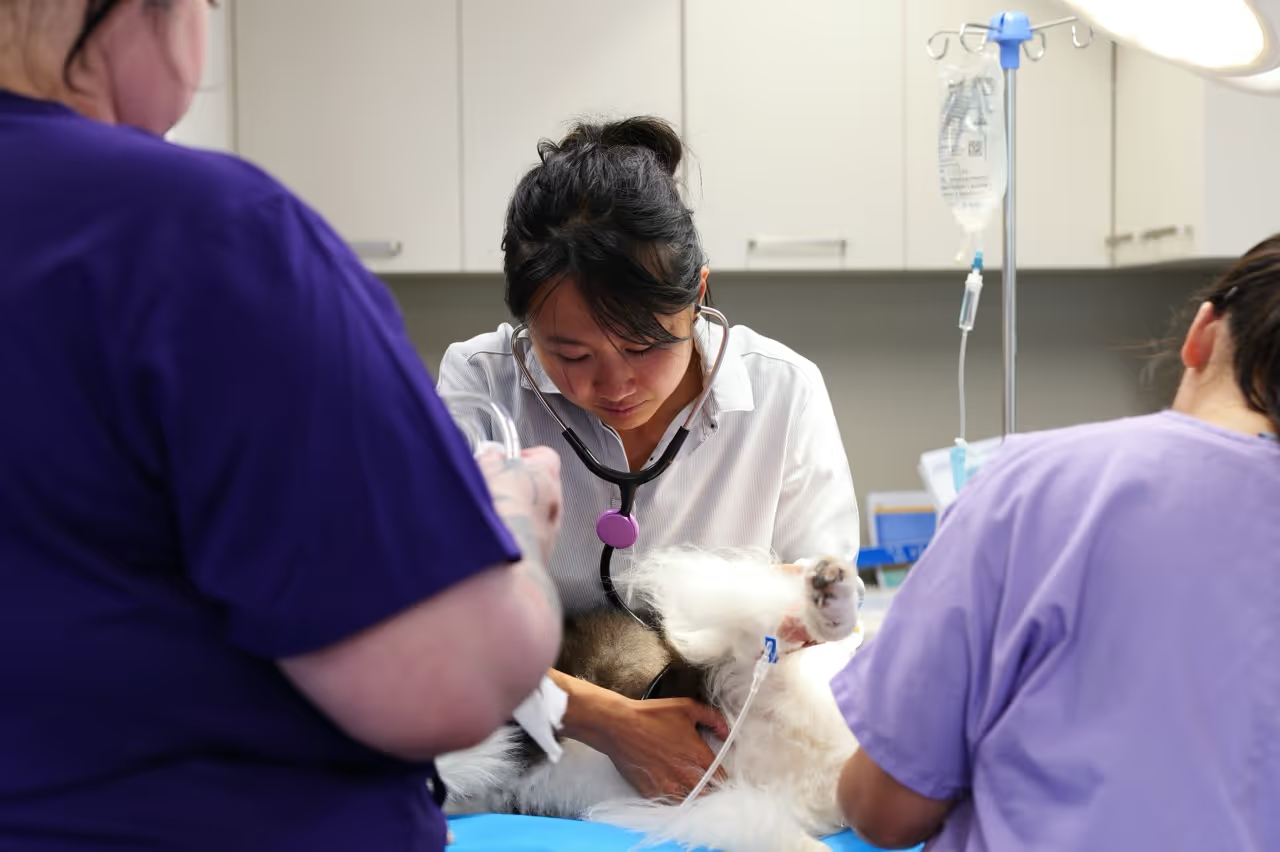
3. Physical examination
We will check heart rate, respiratory rate, temperature, hydration, abdominal comfort, joint mobility, neurological responses, and any areas of visible pain or swelling.
4. Diagnostics and decisions
If bloodwork, imaging, or other tests are needed,we’ll always discuss options and costs clearly before going forward with diagnostics and treatment.
5. Aftercare
You will be informed on ongoing medications, follow ups and receive personal tailored plans for your pet.

tips, and treats for your pet.