
Snake Season Is Coming: What Eastern Melbourne Owners Need to Know
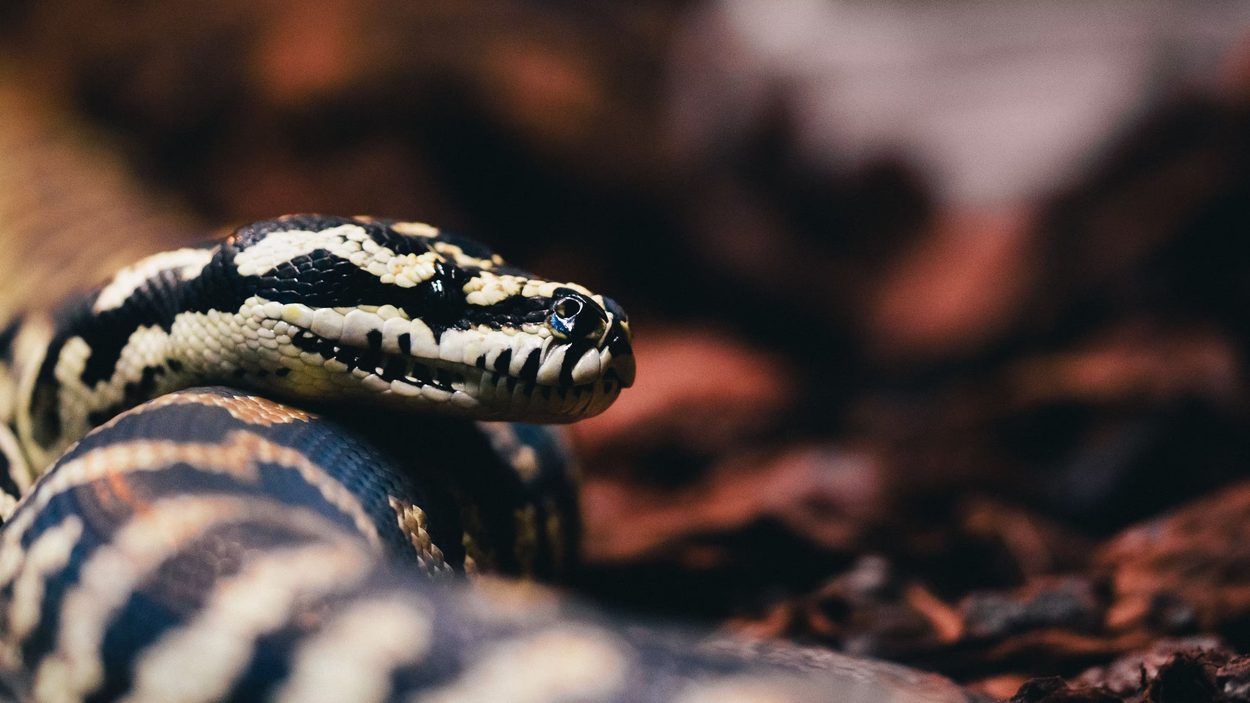
Snakes become active again in spring. Here is how to protect your dog or cat around Vermont South, and what to do if your pet is bitten.

Dr Jessica
,
BVSc
Head Veterinarian
As the weather warms in spring, snakes become more active across Victoria. They are most common around the urban fringe, watercourses and parkland, but can also turn up close to suburban homes. With eastern Melbourne's creek trails and bushland reserves on our doorstep, it pays to be prepared before the season peaks.
Where and when to take care:
- Snakes are often most active towards the end of the day, a common dog-walking time
- Keep dogs on lead near bushland and water, like local creek trails and reserves
- Avoid long grass, where snakes are hard to see
- Keep your backyard grass low and clear away rubbish, woodpiles and other hiding spots
Tiger snakes and brown snakes are responsible for most bites to pets, and they can be fatal. RSPCA Victoria says the same in its advice on protecting pets from snakes: the chance of recovery is much greater when a bitten pet is treated early, and you should not wash the bite or apply a tourniquet.
Signs of a snake bite include:
- Sudden weakness or collapse, sometimes followed by apparent recovery
- Trembling, twitching, or vomiting
- Dilated pupils, or blood in the urine
- Difficulty breathing or progressive paralysis
If you suspect a bite, act fast:
- Keep your pet calm and as still as possible, and carry rather than walk them
- Do not try to catch or kill the snake
- Call ahead and get to a vet or emergency clinic immediately
Cats are more resistant to venom than dogs, but they still need urgent veterinary treatment. With snake bites, early care saves lives.
If you walk your dog near bushland this spring, know where your nearest emergency vet is. Caring Paws can talk you through prevention and what to do in an emergency.
Be Ready Before Snake Season
Caring Paws can advise on snake bite prevention and emergency care for your pet. Talk to our Vermont South team about keeping your dog or cat safe this spring.

tips, and treats for your pet.