
Rehabilitation & Conditioning
 Structured rehabilitation for post-surgical, injured, and mobility-affected pets
 Tailored programs based on your pet's condition, age, and goals
 Hands-on therapy combined with guided home exercise
 Regular reassessment to progress the program at the right pace
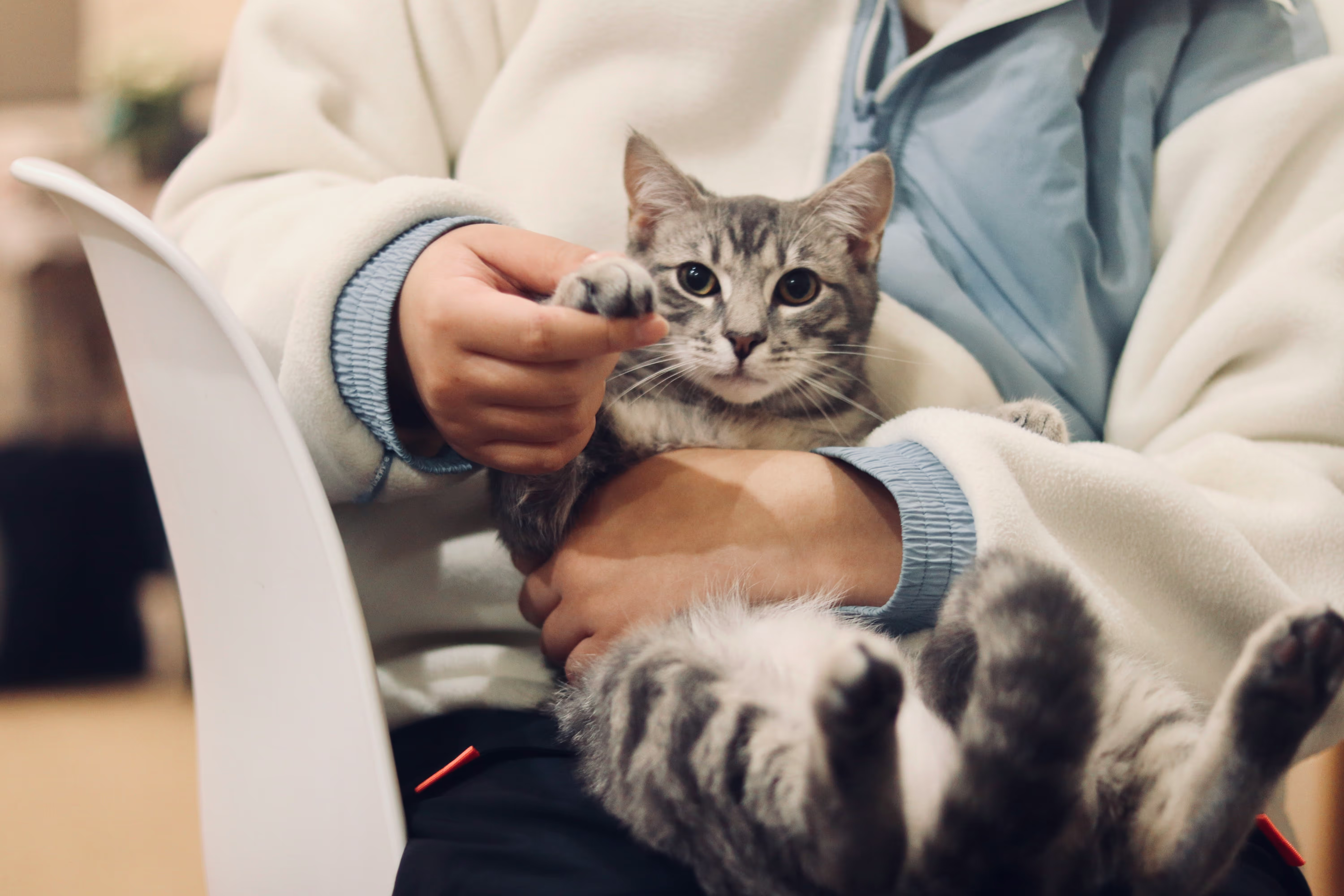
Conditioning isn't just for working dogs or athletes. Any pet can benefit from a structured approach to building strength and fitness — whether they're recovering from surgery, managing a long-term condition, getting older and losing muscle, or simply not as fit as they used to be.
We assess where your pet is starting from, build a program around their specific needs, and progress it at a pace that's safe and effective.
What we offer
Post-injury and post-surgical conditioning
Getting back to full function after an injury or procedure requires more than rest. We build a gradual, structured program that rebuilds strength, restores range of motion, and gets your pet moving confidently again without pushing too hard too soon.
Strength and balance training
Muscle loss is common in older pets, in those recovering from illness, and in pets that have been inactive for a period. Targeted exercises rebuild the muscle and coordination needed to move well, reduce joint load, and stay stable on different surfaces.
Weight and fitness management
For pets that are carrying too much weight or have low fitness levels affecting their health, conditioning works alongside diet to build a stronger, healthier body. Exercise alone rarely solves a weight problem, but combined with the right nutritional plan, it makes a real difference.
Why Caring Paws for conditioning
Programs built around your individual pet
There is no single conditioning program that suits every dog or cat. We assess your pet's current fitness, identify where the gaps are, and build something specific to them. Age, breed, health history, and what they actually enjoy doing all factor into it.
We show you what to do at home
Most of the work happens between clinic visits. We teach you the exercises clearly, make sure you're confident performing them correctly, and give you a written plan to follow. If something isn't working or your pet isn't tolerating it, we adjust.
It connects to the rest of their care
Conditioning doesn't sit in isolation from everything else your pet has going on. We factor in any medications, pain management, or health conditions and make sure the program supports rather than conflicts with the broader picture.
What to expect
We know bringing your pet for a vet visit might be scary. Here's how we make the process as clear and comfortable as possible.
Initial fitness assessment
We look at your pet's posture, muscle mass, gait, balance, and how they move through different tasks. We'll ask about their current activity levels, what they struggle with, and what you'd like to see improve. This gives us a clear starting point to build from.
A structured program
You'll leave the first appointment with a written plan covering what to do, how often, and how to progress. We start conservatively and build from there, rather than pushing hard early and setting the recovery back.
Regular reassessment
We check in at intervals to see how your pet is progressing, whether the program needs adjusting, and what the next phase looks like. Conditioning is a process and the plan needs to evolve as your pet improves.
Ongoing home support
Between visits, you're not on your own. If you're unsure whether your pet is doing an exercise correctly, or they seem uncomfortable with something in the program, reach out and we'll work through it with you.
Want to help your pet get stronger, move better, or recover more fully?
Book a visit and we'll assess where they're at and put a program together that's built around them.

tips, and treats for your pet.