
Pet Laser Therapy
 Low-level laser therapy for pain, inflammation, and wound healing
 Non-invasive, drug-free, and well tolerated by most pets
 Used alongside other treatments, not as a replacement for them
 A clear explanation of what it does and doesn't
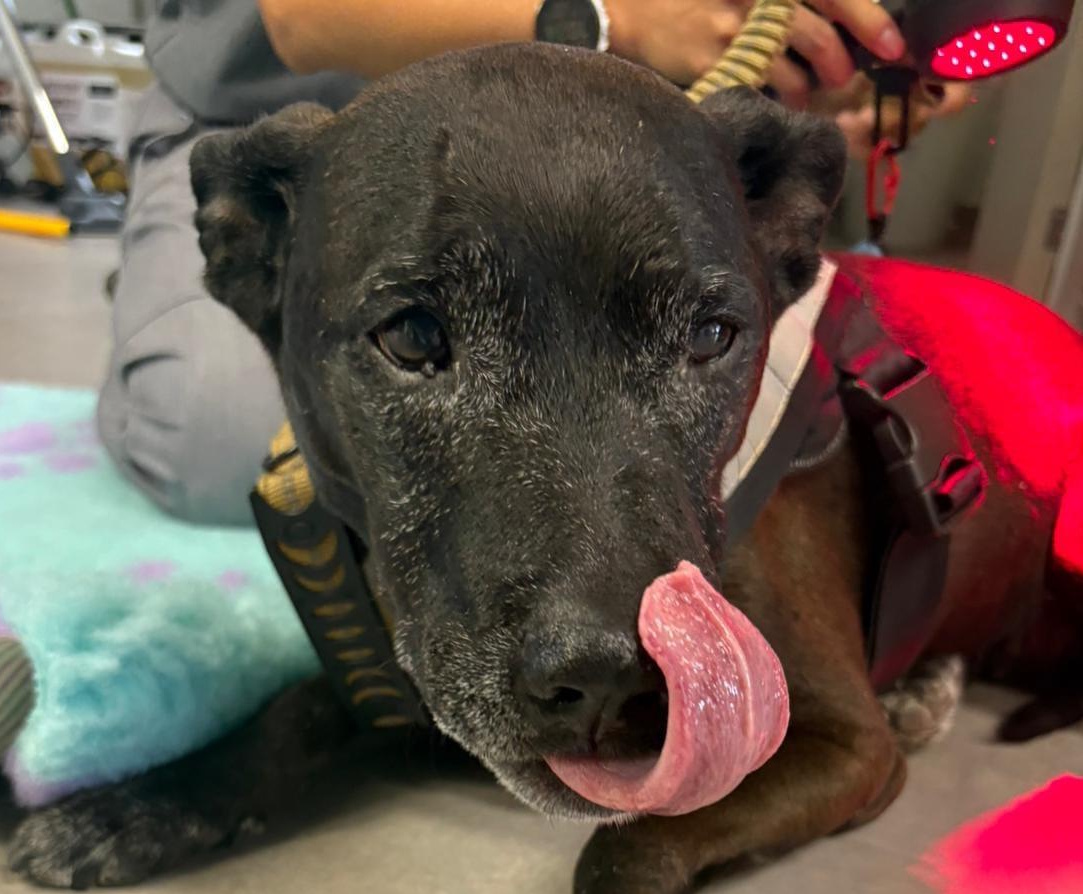
Laser therapy useful tool for reducing pain and inflammation, speeding up tissue repair, and improving comfort in pets that are struggling. It's quiet, non-invasive, and most pets tolerate it well.

What we offer
Pain and inflammation management
Laser therapy works well as part of a broader pain management plan — particularly for arthritis, soft tissue injuries, and post-surgical discomfort. It stimulates circulation and reduces inflammation at the tissue level, which can meaningfully improve how a pet moves and feels day to day.
Wound and tissue healing
For wounds that are slow to heal, post-operative incision sites, or areas of chronic skin irritation, laser therapy can accelerate tissue repair and reduce the risk of complications. It's often used in the days following surgery to support recovery.
Neurological and chronic conditions
In pets with nerve damage, intervertebral disc disease, or chronic pain conditions that haven't responded fully to other treatments, laser therapy can be a useful addition to the management plan. We'll be clear about what the evidence supports and what we're hoping to achieve.

Why Caring Paws for laser therapy
We use it where it's actually indicated
Laser therapy is most useful in specific situations, and we won't recommend it just to recommend something. If we think it's likely to make a meaningful difference for your pet, we'll explain why. If we don't, we'll say so and focus on what will.
It works alongside the rest of the plan
We don't use laser therapy in isolation. It's one tool in a broader approach, combined with pain medication, rehabilitation, weight management, or whatever else your pet needs, rather than a standalone solution.
Sessions are calm and stress-free
Most pets find laser therapy comfortable and some actively relax during sessions. There's no sedation required, no noise, and no recovery time afterwards. For anxious pets or those in significant pain, that matters.
What to expect
We know bringing your pet for a vet visit might be scary. Here's how we make the process as clear and comfortable as possible.
Routine Assessment
Before recommending laser therapy, we'll assess your pet and explain whether we think it's appropriate for their condition, what we're hoping it achieves, and how it fits into the broader management plan. If it's not the right fit, we'll tell you.
The sessions
A handheld device is moved slowly over the treatment area. Sessions typically take between five and twenty minutes depending on what's being treated. Your pet stays awake and can be held or sit comfortably — there's no need for restraint in most cases.
A course of treatment
Laser therapy generally works best as a course rather than a single session. We'll recommend a schedule based on your pet's condition — usually more frequent at the start, tapering as they improve — and reassess as we go.
Monitoring progress
We check in regularly to see how your pet is responding. If there's a meaningful improvement, we'll adjust the frequency accordingly. If we're not seeing the results we'd expect, we'll be upfront about that and look at what else might help.
Want to know if laser therapy could help your pet?
Book a visit and we'll assess whether it's the right fit, and be straight with you either way.

tips, and treats for your pet.