

Arthritis & Joint Management
 Pain assessment and long-term management plans for arthritic pets
 Treatment tailored to your pet's age, weight, and how they're living
 Medication, rehabilitation, and lifestyle changes explained clearly
 Regular check-ins to adjust the plan as your pet's needs change
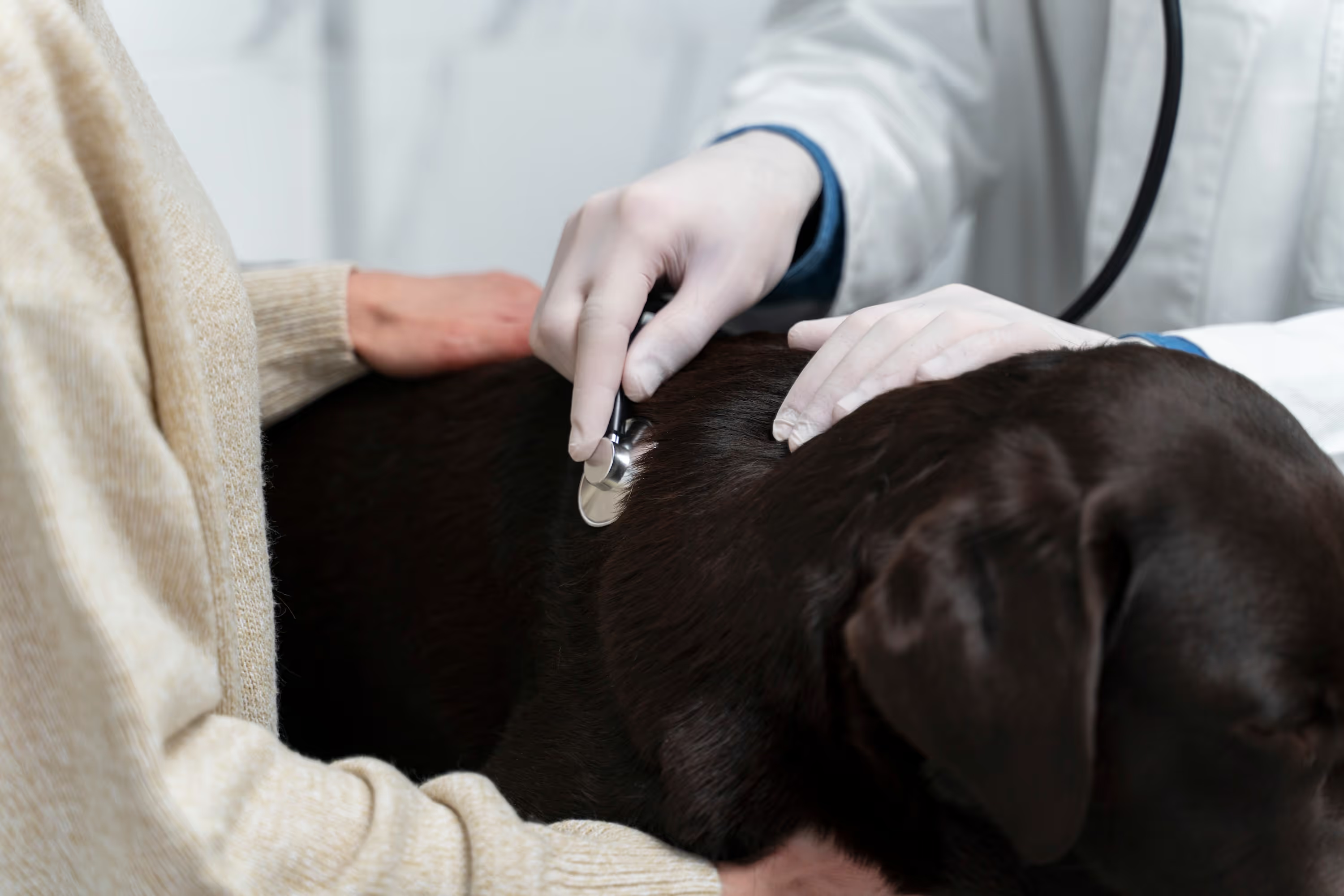
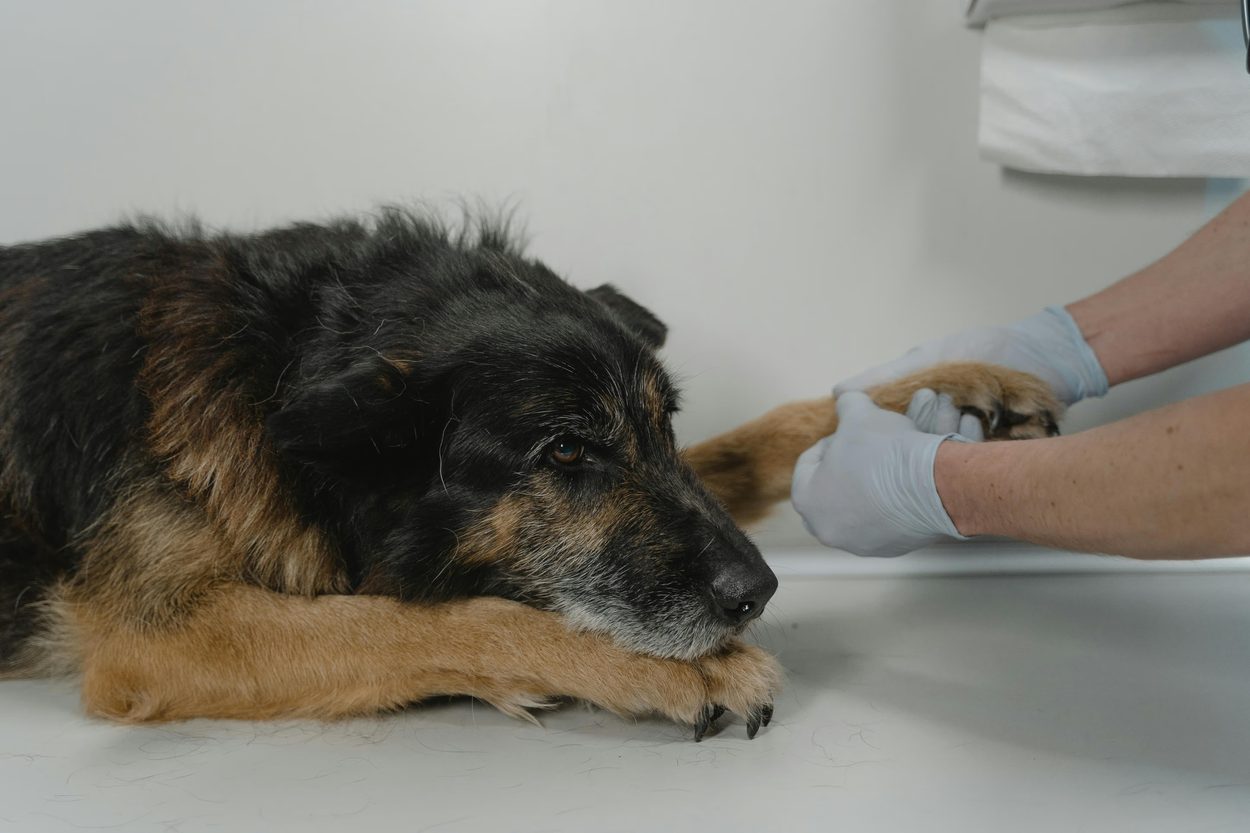
Arthritis is progressive, but it's also manageable. The earlier we get on top of it, the better your pet's quality of life tends to be. The signs are often subtle at first. A dog that's slower on morning walks. A cat that's stopped jumping up to their favourite spot. A pet that seems stiff after rest but loosens up once they get moving. These things are easy to put down to age. They're worth investigating.
What we offer
Pain assessment and management
Getting pain under control is the foundation of everything else. We assess how much discomfort your pet is in, what's driving it, and put together a pain management plan that's appropriate for their age, weight, and overall health — then adjust it as things change over time.
Multimodal treatment planning
Arthritis management works best when it's not just medication. We look at the full picture — weight, diet, exercise, home environment, and any therapies that might help — and combine approaches in a way that's realistic to maintain and genuinely makes a difference.
Rehabilitation and mobility support
For pets that need more than medication to stay mobile and comfortable, we can incorporate rehabilitation into the management plan. We'll explain what's available, what the evidence behind it looks like, and what's likely to be most useful for your individual pet.

Why Caring Paws for arthritis management
We treat the whole pet, not just the joint
Arthritis rarely exists in isolation — weight, muscle condition, diet, and other health issues all affect how a pet copes with joint disease. We look at everything and manage accordingly, rather than reaching for a prescription and calling it done.
We're realistic about what management looks like
Arthritis is a long-term condition. We'll give you an honest picture of what to expect, what good management can achieve, and what it involves day to day — so you're not caught off guard when things change, and you know what to watch for between visits.
We adjust the plan as your pet ages
What works at eight might not work at twelve. We schedule regular check-ins to reassess how your pet is doing, whether the current approach is still appropriate, and what changes — if any — are worth making.
What to expect
We know bringing your pet for a vet visit might be scary. Here's how we make the process as clear and comfortable as possible.
Initial assessment
We examine your pet's joints, gait, muscle mass, and pain response, and ask detailed questions about what you're seeing at home. Day-to-day observations from you are often the most useful information we have — small changes in behaviour, movement, and routine tell us a lot.
A clear management plan
We'll explain what we think is going on, what we're recommending and why, and what each part of the plan is designed to achieve. If there are several options, we'll walk you through the differences so you can make a decision that fits your pet and your household.
Ongoing monitoring
Arthritis changes over time, and the plan needs to change with it. We'll schedule regular check-ins — more frequent in the early stages, or when we've made a significant change — to see how your pet is responding and adjust accordingly.
Support between visits
You'll leave each appointment knowing what to watch for and when to call us. If something changes before your next scheduled visit: your pet seems more uncomfortable, the medication doesn't seem to be working, or you're not sure if what you're seeing is normal — we'd rather you call early than wait.

Noticed your pet slowing down or moving differently?
It's worth getting assessed. Book a visit and we'll work out what's going on and put a plan together that keeps them comfortable for the long term.